Paddy Power Retail Network Faces Major Contraction

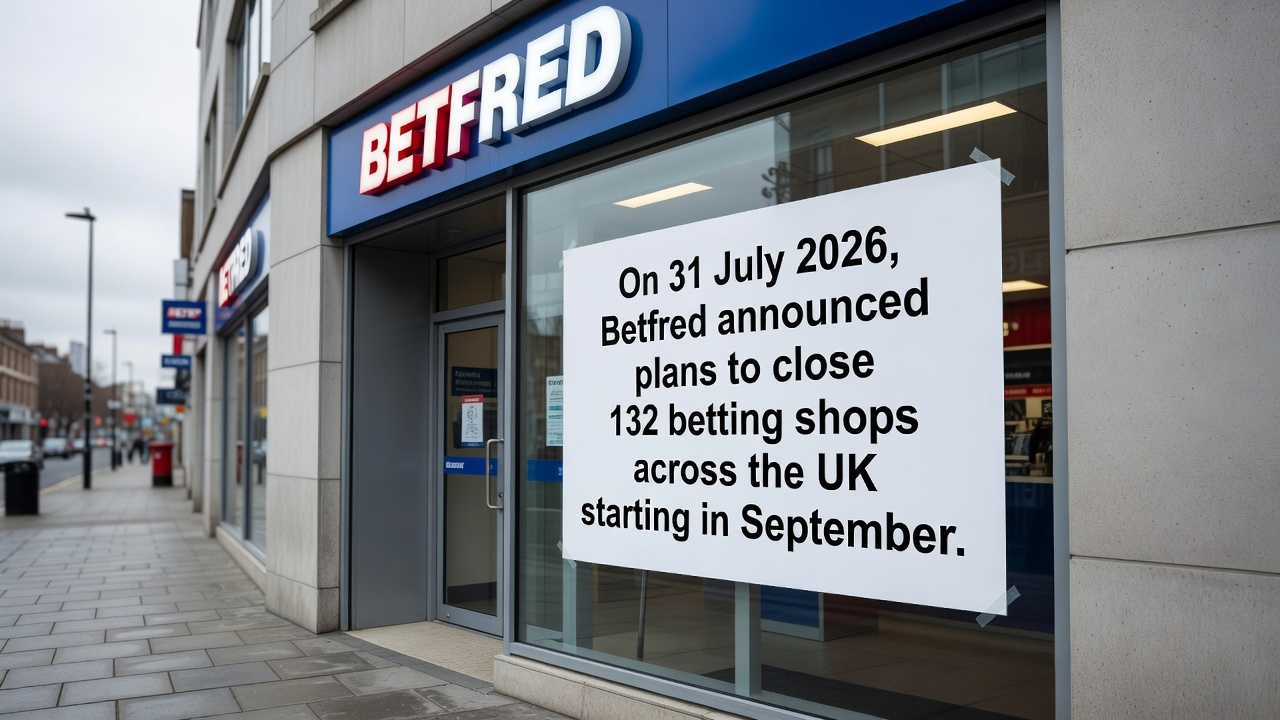
Paddy Power, the retail arm of Flutter Entertainment, has outlined plans to close up to 100 betting shops across its UK and Ireland network, a move that places roughly 400 positions at risk of redundancy while targeting about one-fifth of its physical outlets. Company statements tie the decision directly to climbing energy expenses, elevated rents, business rates, broader economic strains, and the increased gambling taxes introduced in the prior UK budget round. Those closures arrive against a backdrop of similar steps taken by rival operators in recent months. Betfred has already shuttered 132 locations, William Hill and its parent Evoke have reduced their estate by 270 shops, and Entain has executed parallel reductions. Industry observers track these patterns as responses to the same cost pressures now confronting Paddy Power.
Breakdown of the Proposed Cuts
The scale of the Paddy Power reductions centers on approximately 100 sites, with the company indicating that selections will follow detailed reviews of individual store performance and local market conditions. Redundancy consultations have begun for affected staff, and management has stressed that every effort will be made to redeploy personnel where possible within the remaining network. Data from the operator shows the closures will shrink its combined UK and Ireland retail footprint by roughly 20 percent once complete.
Cost Drivers Behind the Decision
Flutter Entertainment cited multiple overlapping factors in its announcement. Energy bills have risen sharply over the past two years, while property rents and business rates continue to climb in many high-street locations. The most recent UK budget added further tax obligations on gambling operators, an adjustment that company filings describe as increasing the annual cost base by several million pounds across the retail division. Those combined pressures have made a number of outlets unprofitable under current trading volumes.
Impact on the British Racing Sector
Each round of major retail closures reduces payments into the horse racing industry through the betting levy and media rights agreements. Estimates attached to this latest announcement put the potential shortfall at around £4 million per significant closure wave, a figure that compounds losses already recorded from earlier Betfred and William Hill reductions. Racing administrators note that levy income supports prize money, training facilities, and fixture lists, so sustained drops in retail betting activity translate directly into lower funding streams.
Broader Market Context
The Paddy Power announcement follows a sequence of estate rationalizations across the UK betting sector. Operators have cited the same combination of fixed costs and tax changes as primary drivers, and analysts tracking the industry record a steady shift of customer activity toward online platforms. Flutter Entertainment has indicated that resources freed from underperforming shops will support continued investment in digital products and international markets. According to company statements filed with investors, online revenue growth has offset some retail declines, yet teh physical network remains a material contributor to overall group performance.
Timeline and Next Steps
Consultation periods with staff representatives are scheduled to run over the coming weeks, with final closure decisions expected by the end of the current quarter. The operator has committed to keeping customers informed of nearby remaining outlets and online alternatives. Industry bodies representing bookmakers have highlighted the cumulative effect of successive cost increases on employment and high-street presence, while local authorities in affected areas begin assessing the knock-on consequences for footfall and adjacent businesses.
Conclusion
The planned Paddy Power closures represent one further stage in the ongoing contraction of the UK and Ireland retail betting sector. Rising operational costs, recent tax adjustments, and shifting consumer habits continue to reshape the physical footprint of major operators, with direct consequences for employment levels and downstream funding for British racing.