Bridging Metrics from the Pitch and the Track: Using Cross-Disciplinary Insights for Live Event Wagering
Written by Greta Wagner · Nov 13, 2026
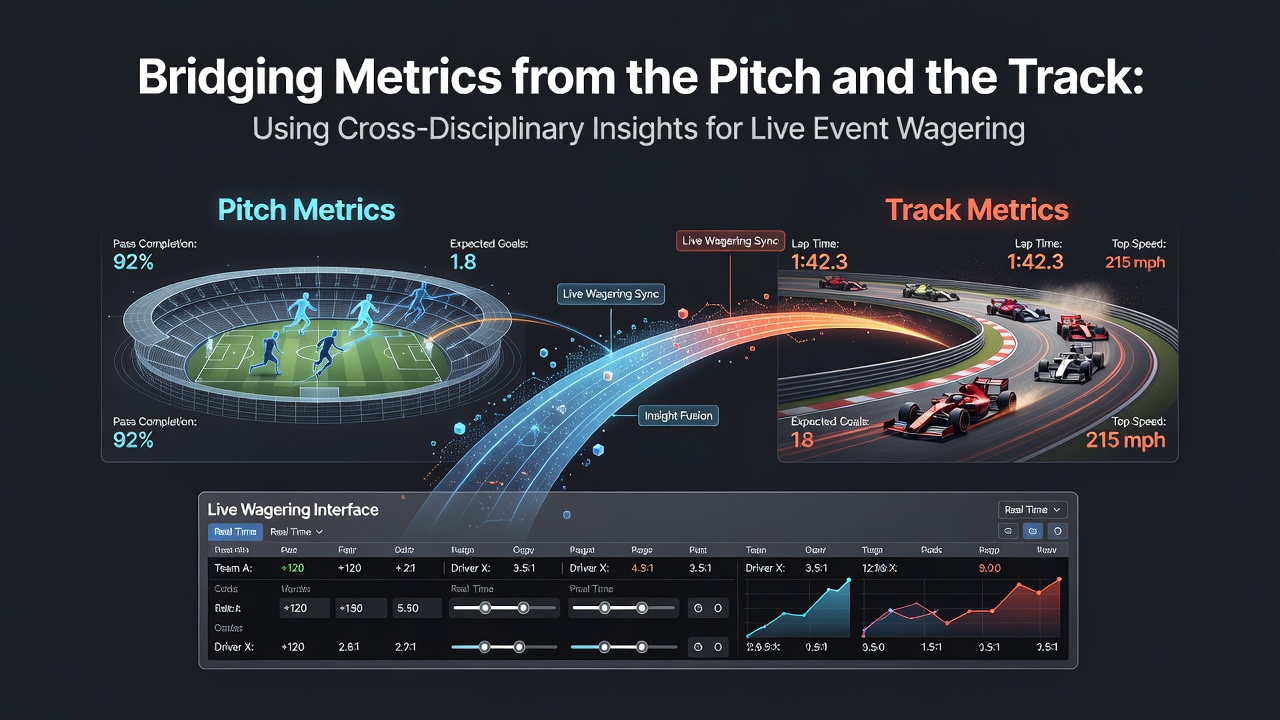
Bridging Metrics from the Pitch and the Track: Using Cross-Disciplinary Insights for Live Event Wagering
Analysts in the wagering sector have turned to performance indicators drawn from association football and thoroughbred racing to refine approaches in live event markets, and data sets from both domains reveal overlapping patterns in pace, momentum, and outcome probability. Researchers examining these fields note that variables such as territorial control on the pitch and sectional timing on the track often align in ways that support combined modeling techniques, while figures from industry reports indicate growing adoption of such hybrid frameworks across multiple jurisdictions.
Core Metrics on the Pitch
Football matches generate streams of data including expected goals, pass completion rates under pressure, and recovery time after turnovers, and these elements feed directly into live betting adjustments when matches shift tempo mid-game. Studies published in sports analytics journals show that teams maintaining higher than average territorial dominance in the first 30 minutes tend to sustain pressure into later stages, creating windows where in-play odds reflect measurable shifts rather than random variance. Observers tracking these patterns across leagues report consistent correlations between high-intensity running metrics and goal-scoring bursts, which operators incorporate into dynamic pricing systems.
Parallel Indicators on the Track
Horse racing events supply sectional splits, stride frequency, and late-race acceleration figures that mirror the momentum concepts seen in football, and analysts apply similar statistical filters to identify when a contender is likely to maintain or relinquish position. Data compiled by racing authorities in Australia demonstrates that horses posting sub-par early fractions yet recording strong mid-race accelerations frequently outperform market expectations in the final furlongs, and this insight parallels the way football sides recover from early deficits through sustained pressing. Cross-referencing these timing elements with environmental factors such as track conditions produces layered probability models that update continuously during races.
Integrating Data Across Disciplines
Cross-disciplinary methods combine football possession chains with racing pace profiles to construct unified risk assessments for live accumulators, and practitioners use software platforms that ingest both data types simultaneously. A report from the Nevada Gaming Control Board highlights how operators in regulated markets have expanded real-time analytics teams to handle multi-sport inputs, resulting in more granular odds adjustments during overlapping event windows. Those who have examined the outputs note that correlations emerge between sustained football pressure sequences and late-race surges by horses, allowing models to flag value opportunities that single-discipline systems might overlook. In November 2026 several platforms introduced enhanced APIs linking these datasets, which accelerated testing of hybrid algorithms among professional syndicates.
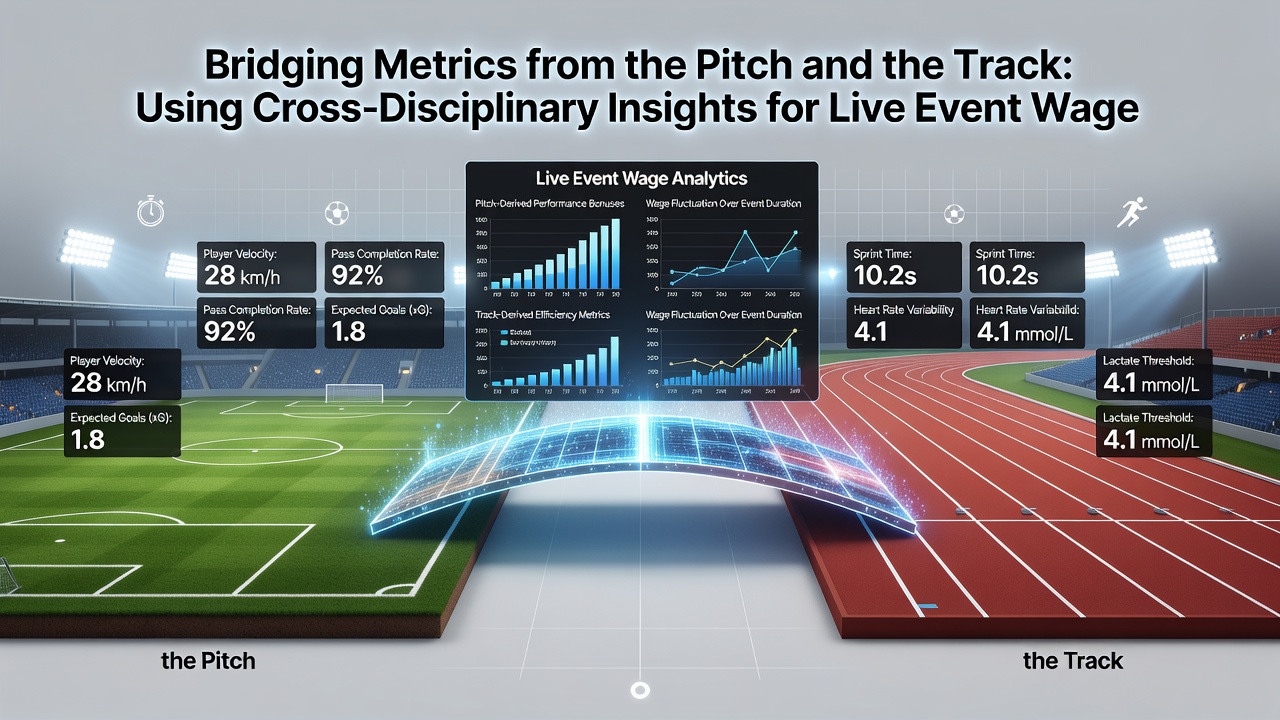
Applications in Live Event Wagering
Live wagering environments benefit when operators feed pitch-derived recovery metrics into racing overlays, because sudden changes in football intensity can coincide with track biases that affect horse positioning. Evidence from academic papers on performance analysis indicates that integrating expected goal differentials with sectional velocity data improves forecast accuracy during simultaneous events, particularly when matches and races run in parallel time slots. People who monitor these integrations report tighter spreads on accumulator markets once the combined signals confirm directional trends, and the approach reduces reliance on isolated sport-specific variables alone. Regulatory bodies in Canada have documented increased compliance requirements around such multi-source models, ensuring transparency in how operators weight each input stream.
Implementation Considerations
Building these bridges requires standardized data formats so that pitch events and track timings map onto common scales, and several research institutions have released open frameworks that facilitate this alignment. Figures from the European Gaming and Betting Association reveal that firms investing in unified data pipelines achieve faster recalibration of live odds when external variables like weather or pitch conditions alter expected outcomes. Yet the process demands ongoing validation against historical results to confirm that cross-mapped signals retain predictive power rather than introducing noise, and industry case studies illustrate both successful deployments and instances where mismatched time scales produced temporary inaccuracies. Those refining the systems continue to test against fresh event data to maintain calibration across seasons.
Conclusion
The convergence of pitch and track metrics supplies a structured route for enhancing live event wagering models, as documented patterns from football and racing demonstrate transferable elements around momentum and timing. Continued refinement of these cross-disciplinary techniques depends on access to synchronized data streams and rigorous testing protocols, which regulatory and research entities track through periodic industry assessments.